People spend a lot of time on messaging apps, and WhatsApp sits at the center of that daily routine. Customers already use it to chat with friends, share photos, ask questions, and even connect with businesses. That shift has made WhatsApp marketing one of the most effective ways to build relationships, generate leads, and improve customer communication.
Unlike crowded email inboxes or social media feeds controlled by algorithms, WhatsApp creates a direct and personal connection. Businesses can answer questions quickly, share updates, recommend products, and provide customer support – all from a platform people already trust and use every day.
Whether you run an ecommerce store, a local business, or a growing startup, adding WhatsApp to your marketing strategy can help you engage customers in a more meaningful way. In this guide, you’ll learn what WhatsApp marketing is, why it matters, and the biggest benefits it offers.
What Is WhatsApp Marketing?
WhatsApp marketing is the practice of using WhatsApp Business or the WhatsApp Business Platform (formerly WhatsApp Business API) to communicate with customers, promote products or services, send order updates, answer questions, and build long-term customer relationships.
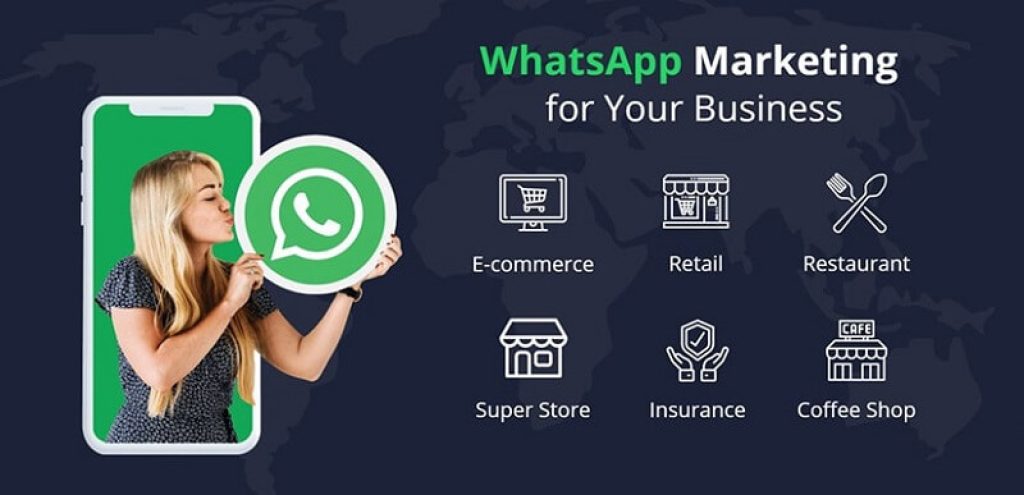
Rather than broadcasting messages to a broad audience, WhatsApp focuses on conversational marketing. Businesses interact with customers through one-on-one chats, broadcast lists, automated messages, and chatbots while respecting user consent and privacy.
Today, businesses commonly use WhatsApp for:
- Product recommendations
- Customer support
- Order confirmations
- Shipping updates
- Appointment reminders
- Lead generation
- Promotional campaigns
- Feedback collection
- Customer retention
According to Meta, businesses should only message users who have opted in to receive communications. This permission-based approach helps maintain trust while reducing unwanted messages.
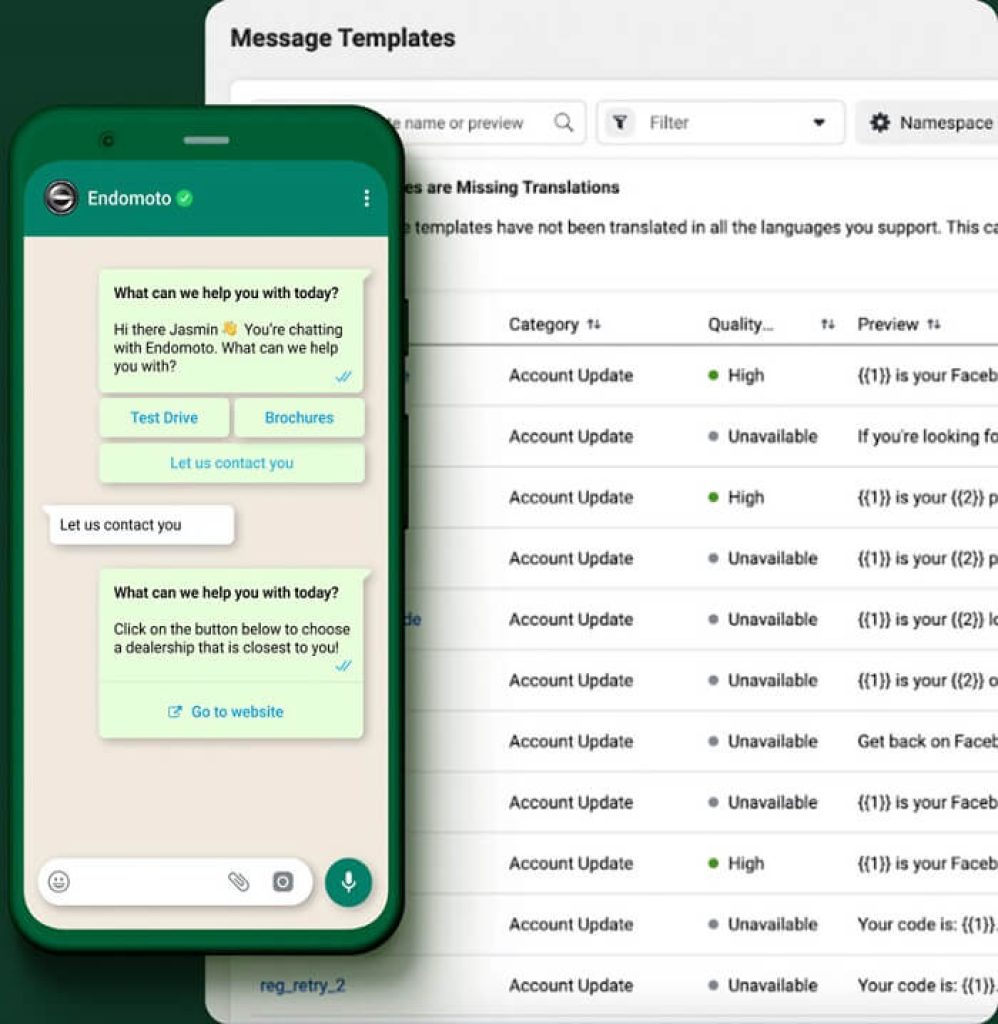
Did you know? WhatsApp supports rich media, including images, videos, PDFs, voice notes, product catalogs, and location sharing, making customer conversations far more engaging than plain text messages.
Why Is WhatsApp Marketing Important?
Consumers expect fast, convenient communication. Waiting hours – or even days – for an email reply no longer feels acceptable in many situations. Messaging apps have changed customer expectations, and businesses must adapt.
WhatsApp marketing helps brands meet customers where they already spend their time. Instead of asking people to visit a website or check their inbox, businesses can continue the conversation directly through WhatsApp.
Here are several reasons why businesses increasingly include WhatsApp in their digital marketing strategy.
Customers Prefer Instant Communication
Modern customers appreciate quick answers. Whether someone wants product details, pricing, or delivery information, instant messaging removes unnecessary friction.
A short conversation often resolves questions much faster than a lengthy email exchange.
Better Customer Engagement
Personalized conversations naturally encourage higher customer engagement than generic promotional messages.
Businesses can:
- Answer product questions
- Share personalized recommendations
- Recover abandoned carts
- Send appointment reminders
- Provide after-sales support
These interactions strengthen customer relationships instead of simply pushing sales.
Supports Every Stage of the Customer Journey
WhatsApp works across the entire sales funnel.
For example:
- Awareness: Introduce new products.
- Consideration: Answer customer questions.
- Purchase: Share payment or checkout information.
- Retention: Offer post-purchase support.
- Loyalty: Notify customers about exclusive offers or product launches.
Instead of relying on separate communication tools, businesses can manage much of the customer journey within one familiar platform.
Builds Trust Through Personal Conversations
People trust conversations more than advertisements.
When customers can easily reach a real business, ask questions, and receive helpful responses, they feel more confident about making a purchase.
That trust becomes especially valuable for ecommerce businesses where customers cannot physically inspect products before buying.
Top Benefits of WhatsApp Marketing
Adding WhatsApp to your marketing mix offers more than convenience. It creates opportunities to improve communication, strengthen customer relationships, and support business growth.
Here are the biggest WhatsApp marketing benefits.
1. Direct Customer Communication
Unlike social media, where algorithms determine who sees your content, WhatsApp enables direct messaging with customers who have agreed to hear from your business.
That direct connection allows businesses to:
- Share important updates
- Respond quickly
- Offer personalized assistance
- Resolve customer concerns faster
Customers appreciate businesses that remain accessible.
2. Personalized Marketing Improves Customer Experience
Generic marketing messages rarely feel exciting.
WhatsApp allows businesses to personalize conversations based on customer preferences, purchase history, or previous interactions.
For example, instead of sending:
“Check out our latest products.”
You could send:
“Hi Sarah, the running shoes you viewed last week are back in your size.”
That simple personalization makes communication more relevant and useful.
3. Excellent for Customer Support
Many businesses now use WhatsApp as a customer support channel.
Customers can:
- Ask product questions
- Report issues
- Request returns
- Track deliveries
- Get troubleshooting help
Quick support improves customer satisfaction while reducing frustration.
Businesses can also automate common responses using chatbots or message templates without losing the personal touch.
4. Helps Generate Qualified Leads
WhatsApp isn’t just a support tool – it also supports lead generation.
Businesses often use:
- Website click-to-WhatsApp buttons
- QR codes
- Social media links
- Click-to-WhatsApp ads
- Product landing pages
Once someone starts a conversation, businesses can qualify leads, answer objections, and guide customers toward a purchase.
Because the conversation happens in real time, prospects often move through the decision-making process more smoothly.
5. Supports Ecommerce and Online Businesses
For ecommerce brands, WhatsApp has become a valuable customer communication channel.
Businesses can use it to:
- Recommend products
- Send abandoned cart reminders
- Confirm orders
- Share shipping updates
- Answer sizing questions
- Notify customers when products return to stock
These interactions create a smoother shopping experience while encouraging repeat purchases.
Unlike traditional marketing channels that focus mainly on attracting customers, WhatsApp continues adding value after the sale by keeping communication open.
WhatsApp Business vs. WhatsApp Business Platform (API)
Before launching a WhatsApp business marketing strategy, it’s important to understand the two solutions Meta offers. While both help businesses communicate with customers, they serve different needs.
WhatsApp Business App
The WhatsApp Business App is designed for small businesses and sole entrepreneurs. It’s free to use and includes features that help businesses manage customer conversations more efficiently.
Key features include:
- Business profile with contact details
- Product catalog
- Quick replies
- Labels for organizing chats
- Greeting and away messages
- Broadcast lists for opted-in contacts
If you’re a local business, freelancer, or startup with a manageable number of daily conversations, the app is often enough to get started.
WhatsApp Business Platform (API)
The WhatsApp Business Platform, previously known as the WhatsApp Business API, is built for medium and large businesses that handle high message volumes or need advanced automation.
Unlike the Business App, the Platform doesn’t have its own interface. Businesses access it through Meta-approved solution providers or customer communication platforms.
It supports features such as:
- Marketing automation
- CRM integration
- Multi-agent support
- AI chatbots
- Message templates
- Advanced analytics
- Scalable customer messaging
The Platform works well for ecommerce stores, banks, travel companies, healthcare providers, and customer support teams that manage thousands of conversations.
Which one should you choose?
- Choose the WhatsApp Business App if you’re a small business with limited customer interactions.
- Choose the WhatsApp Business Platform if you need automation, integrations, or support from multiple team members.
How to Start WhatsApp Marketing
Getting started doesn’t require a complicated setup. The key is to build trust, obtain customer consent, and provide genuine value.
1. Create a WhatsApp Business Profile
Download the WhatsApp Business App and complete your profile with:
- Business name
- Logo
- Website
- Business description
- Address
- Working hours
- Email address
A complete profile helps customers recognize your brand and builds credibility.
2. Build an Opt-In Contact List
WhatsApp is a permission-based messaging platform. Businesses should only send marketing messages to people who have agreed to receive them.
You can collect opt-ins through:
- Website forms
- Checkout pages
- Newsletter sign-ups
- QR codes
- Click-to-WhatsApp ads
- Social media profiles
- In-store displays
Always explain what customers are signing up for and how often you’ll contact them.
3. Organize Your Contacts
As your audience grows, segment customers based on relevant factors, such as:
- New customers
- Returning buyers
- VIP customers
- Product interests
- Geographic location
- Purchase history
Segmentation makes personalized marketing easier and keeps messages relevant.
4. Create Helpful Content
People don’t open WhatsApp hoping to receive constant sales pitches.
Instead, share content that solves problems or provides value, such as:
- Product recommendations
- Exclusive offers
- Restock alerts
- Event reminders
- Helpful tips
- Educational content
- Customer support updates
A healthy balance between promotional and informative messages keeps customers engaged.
5. Measure and Improve
Track important performance indicators, including:
- Delivery rate
- Read rate
- Response rate
- Customer inquiries
- Conversions
- Sales generated
- Customer satisfaction
Reviewing these metrics helps you refine your WhatsApp business messaging strategy over time.
WhatsApp Marketing Examples
Many industries now use WhatsApp as part of their customer communication strategy.
Ecommerce
Online stores use WhatsApp to:
- Recover abandoned carts
- Send order confirmations
- Share delivery updates
- Recommend related products
- Notify customers about back-in-stock items
Healthcare
Clinics and healthcare providers often send:
- Appointment reminders
- Prescription refill notifications
- Follow-up care instructions
These messages improve communication while helping patients stay informed.
Restaurants
Restaurants commonly use WhatsApp for:
- Table reservations
- Order confirmations
- Delivery updates
- Promotional offers
- Customer feedback
Educational Institutions
Schools, training centers, and coaching institutes use WhatsApp to share:
- Admission updates
- Class reminders
- Study materials
- Event announcements
WhatsApp Marketing vs. Email Marketing
Both channels play valuable roles, but they serve different purposes.
| WhatsApp Marketing | Email Marketing |
|---|---|
| Best for real-time conversations | Best for detailed content |
| Quick customer support | Long-form newsletters |
| Personalized messaging | Formal business communication |
| Instant updates | Educational campaigns |
| Interactive chats | Rich formatting and attachments |
Rather than replacing email, WhatsApp complements it. Many businesses use both channels together to create a stronger omnichannel marketing strategy.
WhatsApp Marketing vs. SMS Marketing
SMS remains useful for urgent notifications, but WhatsApp offers a richer communication experience.
| SMS | |
|---|---|
| Supports images, videos, PDFs, and catalogs | Primarily text-based |
| Interactive conversations | Limited interaction |
| Business profiles | No business profile |
| Product catalogs | Not supported |
| Rich customer support | Basic messaging |
| Better for conversational marketing | Better for emergency alerts |
For businesses focused on long-term customer engagement, WhatsApp often provides greater flexibility and a more engaging experience.
Frequently Asked Questions
Why is WhatsApp marketing important?
It allows businesses to communicate directly with customers in real time. This improves customer engagement, speeds up support, and creates more personalized interactions than many traditional marketing channels.
Is WhatsApp marketing effective?
Yes, when businesses obtain customer consent and deliver valuable, relevant messages. Personalized conversations often strengthen customer relationships and encourage repeat business.
Can WhatsApp be used for business marketing?
Absolutely. Businesses of all sizes use WhatsApp for customer support, lead generation, order updates, appointment reminders, product recommendations, and promotional campaigns.
How do I start WhatsApp marketing?
Start by creating a WhatsApp Business profile, collecting customer opt-ins, organizing your contacts, sharing valuable content, and measuring campaign performance over time.
Is WhatsApp marketing legal?
Yes, provided businesses comply with local privacy regulations and only message users who have given permission. They should also follow Meta’s Business Messaging Policy.
What is the WhatsApp Business Platform?
The WhatsApp Business Platform is Meta’s enterprise messaging solution. It enables larger businesses to automate conversations, integrate CRM systems, use chatbots, and manage customer communication at scale.
Final Thoughts
Customer communication has changed dramatically over the past decade. People expect businesses to respond quickly, provide personalized support, and make every interaction simple. WhatsApp helps brands meet those expectations through direct, permission-based conversations.
Whether you run a small local business or manage a growing ecommerce brand, WhatsApp marketing offers opportunities to strengthen customer relationships, generate qualified leads, improve support, and encourage repeat purchases. The key is to focus on genuine conversations rather than constant promotions.
Start with clear customer consent, provide useful information, personalize your messages, and measure your results. Over time, WhatsApp can become more than just another marketing channel – it can become one of your most valuable tools for building trust and long-term customer loyalty.
Trusted Sources & References
To ensure accuracy and align with current best practices, this article is based on guidance from trusted industry sources:
Meta for Developers – WhatsApp Business Platform Documentation
WhatsApp Business – Official Business Features
Meta Business Help Center – Business Messaging Policies
Google Search Central – Creating Helpful, People-First Content
Google Search Quality Rater Guidelines (for understanding E-E-A-T principles)
By following these official resources and keeping customer needs at the center of your strategy, you can build a WhatsApp marketing approach that supports both long-term business growth and lasting customer trust.